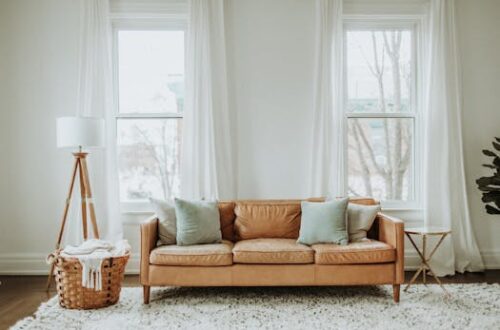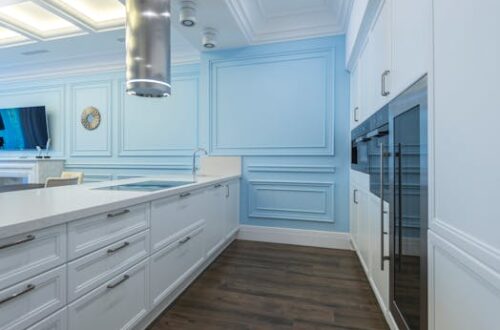

Imagine walking into a living room that instantly soothes your soul. The air feels calm, the light is soft, and every object has its purpose and place. This isn’t just a dream; it’s the essence of Japandi interior design, a philosophy that elegantly marries the minimalist principles of Japanese aesthetics with the cozy, functional comfort of Scandinavian hygge. If you’ve been drawn to spaces that feel both grounded and airy, uncluttered yet inviting, then exploring japandi interior design living room concepts is your next beautiful step.
For years, I’ve seen countless clients struggle with creating a home that feels both stylish and genuinely livable. They often oscillate between stark minimalism and overwhelming clutter. Japandi offers a refreshing middle ground, a sophisticated balance that can transform your living area into a sanctuary. It’s about intentionality, quality over quantity, and a deep appreciation for natural materials and quiet beauty.
What Exactly is Japandi? A Fusion of Worlds
At its heart, Japandi is a harmonious blend of two distinct yet complementary design philosophies. From Japan, it inherits principles of wabi-sabi – the beauty of imperfection and impermanence – along with a deep respect for natural materials, clean lines, and intentionality. Think of the refined simplicity of a traditional Japanese tea room. From Scandinavia, it borrows the concept of hygge, which translates to coziness, contentment, and well-being. This translates into comfortable furnishings, warm textures, and an emphasis on natural light.
When these two merge, they create a style that is both functional and deeply calming. It’s a sophisticated aesthetic that prioritizes peace, nature, and mindful living. So, how do we bring this serene vision to life in our own japandi interior design living room?
The Pillars of Japandi: What Makes it Work
Achieving the distinct Japandi look for your living room isn’t about following rigid rules, but rather embracing a set of guiding principles.
Minimalism with Warmth: Japandi isn’t about emptiness; it’s about purposeful emptiness. Every item has a reason for being there, contributing to the overall sense of calm and functionality. It’s minimalism, but with a cozy, welcoming twist.
Natural Materials Reign Supreme: Wood is king in Japandi design. Think light-toned woods like oak, maple, or bamboo for furniture and flooring. You’ll also find natural fibers like linen, cotton, wool, and rattan used in upholstery, rugs, and decorative elements.
Neutral, Earthy Color Palette: The dominant colors are muted and inspired by nature. Soft whites, creams, beiges, grays, and earthy browns form the base. You might introduce subtle accents of muted greens, blues, or charcoal, but the overall feel is serene and understated.
Functional Simplicity: Furniture is chosen for its form and function. Clean lines, uncluttered silhouettes, and multi-functional pieces are favored. You won’t find ornate carvings or excessive ornamentation.
The Beauty of Imperfection (Wabi-Sabi): Embrace the slightly worn, the naturally imperfect. A wooden table with visible grain, a handmade ceramic vase with subtle irregularities – these add character and depth, preventing the space from feeling sterile.
Crafting Your Japandi Living Room: Practical Steps
Ready to imbue your living space with this tranquil aesthetic? Here’s how to get started.
#### Declutter with Intention
This is non-negotiable for any Japandi space. Begin by ruthlessly decluttering.
Ask yourself: Does this item serve a purpose? Does it bring me joy? Is it beautiful?
Focus on quality: Invest in a few well-made pieces rather than many disposable ones.
Visible storage: Opt for sleek, closed storage solutions that hide clutter. Think simple wooden cabinets or woven baskets.
#### Embrace Natural Materials and Textures
The tactile experience is crucial in a Japandi living room.
Flooring: Light wood floors are ideal. If that’s not an option, consider a large, neutral rug made from natural fibers like jute or wool.
Furniture: Look for sofas and armchairs with clean lines and natural upholstery like linen or cotton. Wooden coffee tables, side tables, and shelving units are essential.
Textiles: Layer throws and cushions in natural materials. Think chunky knits, soft linens, and textured cottons. This is where you can subtly introduce hygge.
#### Curate a Serene Color Palette
The foundation of your japandi interior design living room should be soothing.
Walls: Opt for off-white, soft gray, or a muted beige. These act as a perfect backdrop for your carefully chosen furniture and decor.
Accents: If you want a touch of color, choose natural tones like sage green, muted terracotta, or a deep indigo. These should be used sparingly.
#### Let There Be Light (Naturally)
Natural light is a cornerstone of both Japanese and Scandinavian design.
Window treatments: Keep window coverings simple and light. Sheer linen curtains or simple wooden blinds allow light to filter in without sacrificing privacy.
Artificial lighting: When it’s dark, opt for warm, ambient lighting. Think floor lamps with soft shades, table lamps with wooden bases, and perhaps a minimalist pendant light. Avoid harsh, overhead lighting.
#### Strategic Decor and Greenery
Less is truly more when it comes to decorating in Japandi style.
Art: Choose a few impactful pieces of art, perhaps abstract or nature-inspired. Black and white photography or simple ink wash paintings work beautifully.
Ceramics: Hand-thrown pottery, planters, and vases in natural, earthy tones add an artisanal touch.
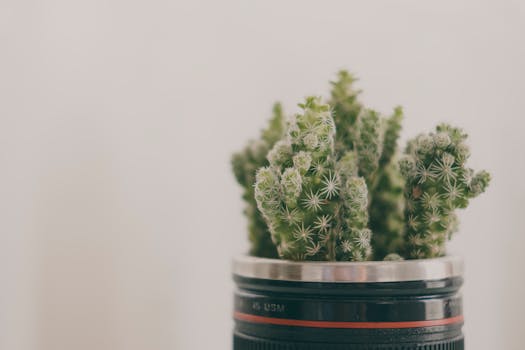
Plants: Bring the outdoors in. A few well-placed plants, like a fiddle-leaf fig or a snake plant, add life and color without overwhelming the space. Consider simple, minimalist planters.
Avoid These Common Pitfalls
While the Japandi aesthetic is inviting, there are a few missteps to watch out for.
Over-cluttering: Resist the urge to fill every surface. Remember, intentionality is key.
Too stark: A common mistake is leaning too heavily into pure minimalism, making the space feel cold. Remember the hygge element – it needs to feel cozy!
Ignoring texture: Without varied textures, a neutral palette can feel flat. Layering different natural materials is essential for warmth.
Harsh lighting: Ensure your lighting is soft and warm to create the right ambiance.
Bringing it All Together: A Personal Touch
In my experience, the most successful Japandi living rooms are those that feel personal. It’s not just about adhering to a style guide; it’s about creating a space that reflects your values and offers a sanctuary from the outside world. Don’t be afraid to incorporate a cherished heirloom piece if it fits the general aesthetic, or a piece of art that speaks to your soul. The beauty of Japandi lies in its adaptability and its focus on creating a peaceful, functional, and deeply personal environment. It’s about curating a life and a home that feels both grounded and aspirational.
Wrapping Up: Your Haven Awaits
Designing a japandi interior design living room is more than just picking out furniture; it’s about cultivating a mindset. It’s about embracing simplicity, valuing quality, and finding beauty in the natural world and the quiet moments. By focusing on decluttering, natural materials, a serene color palette, and thoughtful decor, you can transform your living space into a tranquil oasis that nurtures your well-being. This fusion of Japanese minimalism and Scandinavian comfort offers a timeless approach to home design that is both incredibly stylish and profoundly peaceful. So, take a deep breath, begin with one intentional step, and watch your serene Japandi haven unfold.